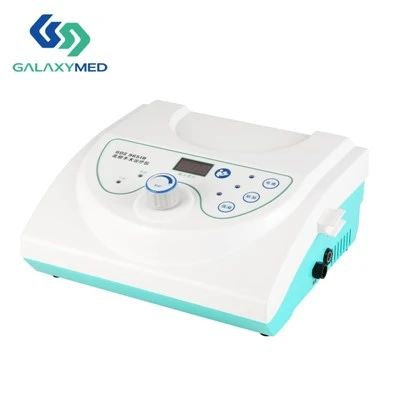
Urodynamic testing has long been a cornerstone of modern urology, and the upgraded urodynamic system brings more reliable and user-friendly solutions to clinical diagnosis and treatment of lower urinary tract diseases. Fully compliant with international professional standards, this system helps urologists accurately evaluate bladder and urethral function, pinpoint the root causes of various urinary symptoms, and deliver more targeted care for patients with voiding problems.
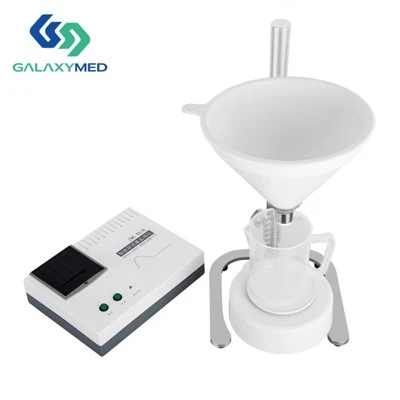
Different from routine imaging examinations that only observe anatomical structures, this comprehensive testing platform focuses on functional assessment of the lower urinary tract. It can conduct a full range of standard examinations to assess urine storage and voiding conditions comprehensively. Clinicians can clearly distinguish between urethral obstruction and weakened bladder muscle function, two common issues that are hard to tell apart merely through patients' descriptions. It also supports pelvic floor muscle monitoring and professional analysis of bladder compliance, covering the diagnostic demands for overactive bladder, urinary incontinence, difficult urination and neurogenic bladder.
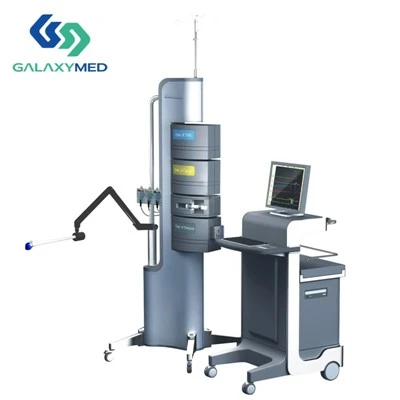
During examinations, the system generates intuitive real-time curves to record changes of key indicators throughout the whole process. Medical staff can easily view and analyze the data, which greatly facilitates in-depth case discussion and academic exchanges. Built with optimized testing modules, it effectively reduces interference during detection and ensures stable and credible examination results even in busy daily clinical scenarios.
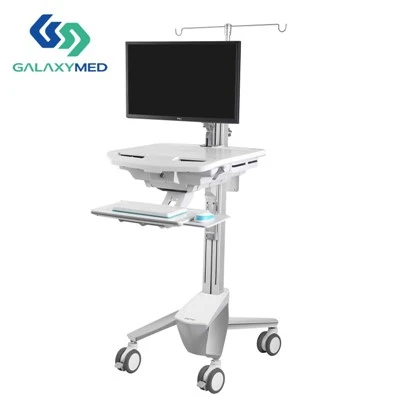
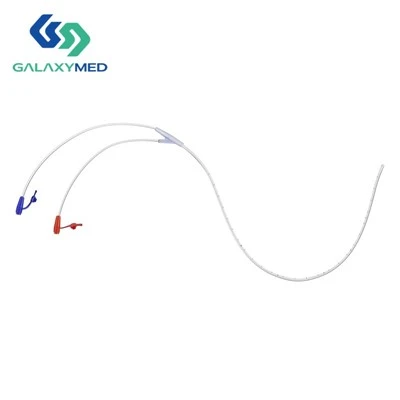
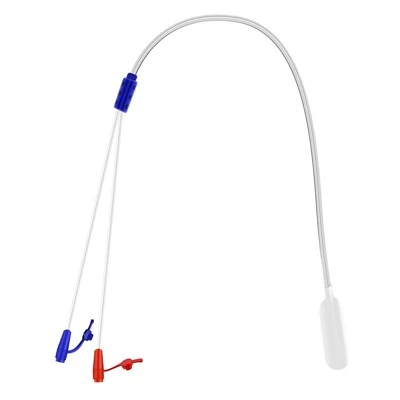
Designed with practical hospital use in mind, the equipment features a flexible mobile workstation that adapts to different examination environments and patient postures. The adjustable testing structure can suit patients of various body types, bringing a more comfortable experience during the procedure. Adopting an independent fluid channel design for disposable accessories, it strictly follows hospital infection control standards to effectively prevent cross-infection. All supporting consumables are equipped with complete formal certifications, meeting strict medical safety requirements.
This system plays an irreplaceable role in the full-cycle clinical management of lower urinary tract dysfunction. For patients preparing for urological surgeries, it provides detailed preoperative functional evaluation to screen eligible candidates and avoid ineffective operations. After surgery, regular follow-up tests can track the recovery of urinary function and detect potential problems at an early stage. For female patients with urinary incontinence or urethral lesions, it helps classify disease types and guides the formulation of surgical or drug treatment plans. As recommended by global urology guidelines, standardized urodynamic assessment is essential before treating complex and recurrent urinary disorders.
Combining reliable performance, complete testing functions and humanized design, the new urodynamic system further standardizes the diagnosis and treatment workflow in urology departments. It assists clinicians in making more accurate clinical decisions, improves overall treatment outcomes, and helps more patients suffering from lower urinary tract problems regain comfort and quality of life.